
If your dentist has recommended a root canal, your first reaction might be dread. Root canals have a reputation for being painful and intimidating, but the truth is that most patients are surprised by how manageable the experience actually is. Here’s what really happens during a root canal and why putting it off is usually the worse option.
What Is a Root Canal & When Is It Necessary?
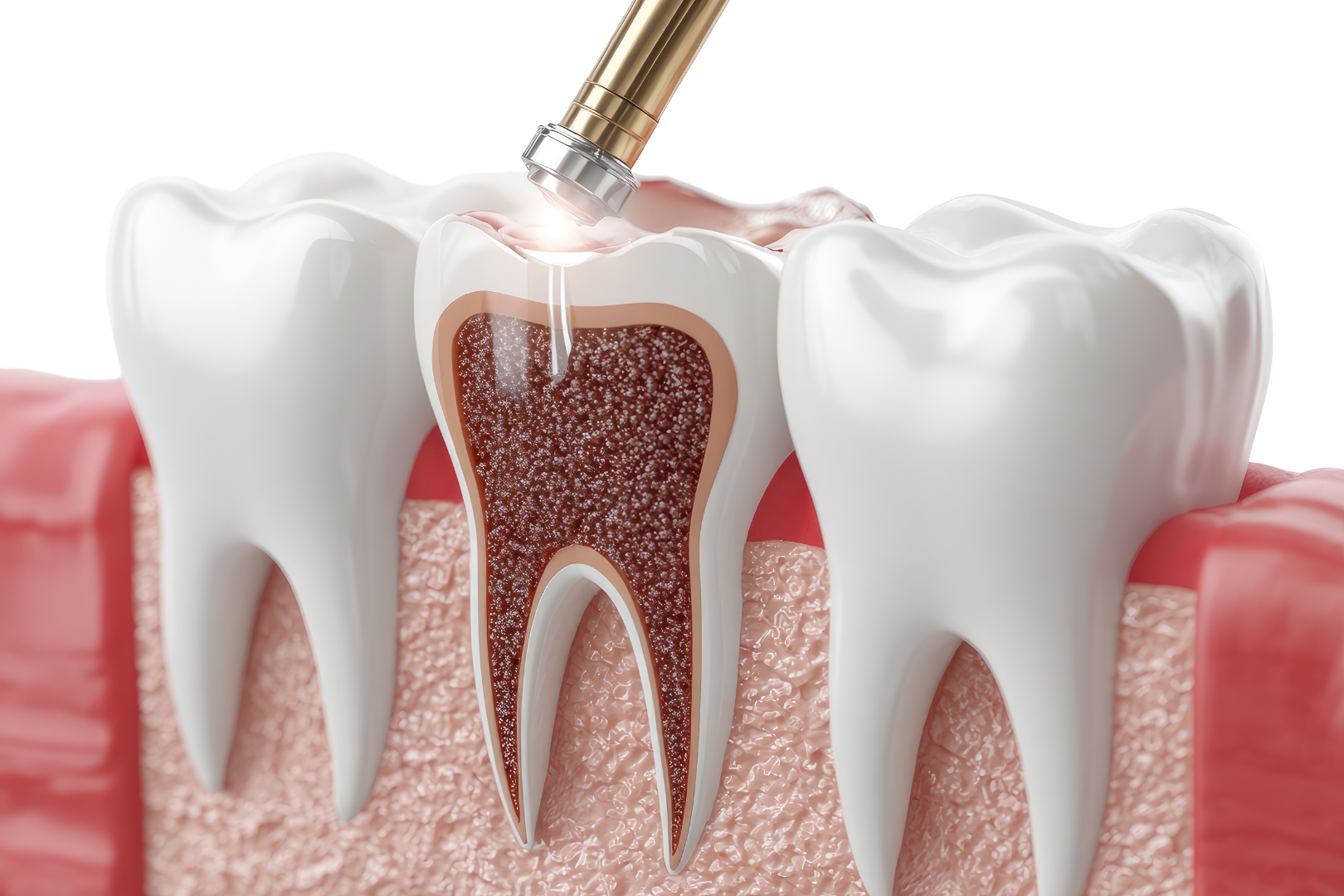
A root canal is a dental procedure used to save a tooth that has become severely infected or decayed. Inside every tooth is a soft tissue called the pulp, which contains nerves and blood vessels. When bacteria reach the pulp through a deep cavity, crack, or injury, infection sets in. Left untreated, that infection can spread to surrounding teeth and bone.
A root canal removes the infected pulp, cleans the inside of the tooth, and seals it to prevent further damage. The goal is to save your natural tooth rather than extract it.
Signs You May Need a Root Canal
Severe or Lingering Tooth Pain
Pain that lingers after eating or drinking something hot or cold, or that throbs without any obvious trigger, can signal pulp damage. It’s one of the most common reasons patients end up needing a root canal.
Sensitivity That Won’t Go Away
If you notice sharp sensitivity to temperature that sticks around long after the source is removed, the nerve inside your tooth may be affected.
Swelling or Tenderness Near the Tooth
Swelling in the gums, a pimple-like bump near the root, or tenderness when chewing can all point to an infection that needs to be addressed.
Tooth Discoloration
A tooth that has darkened or changed color may indicate that the pulp inside has been damaged and is breaking down.
What Happens During a Root Canal Procedure
Step 1: Numbing the Area
Before anything else, your dentist will administer local anesthesia to numb the tooth and surrounding tissue. This is the part most people dread, but it’s usually no more uncomfortable than getting a standard filling. Once you’re numb, you shouldn’t feel pain during the procedure.
Step 2: Removing the Infected Pulp
Your dentist will create a small opening in the top of the tooth to access the pulp chamber. The infected tissue is carefully removed, and the canals inside the tooth are cleaned and shaped.
Step 3: Sealing the Tooth
Once the canals are clean, they are filled with a biocompatible material and sealed. In most cases, a crown is placed over the tooth afterward to restore its strength and appearance.
Step 4: Recovery
Some mild soreness for a few days after the procedure is normal and manageable with over-the-counter pain relievers. Most patients return to their normal routine the next day.
Why Reno Patients Choose DiGrazia Dentistry for Root Canal Treatment
A root canal is only as comfortable as the dentist performing it. Dr. John DiGrazia brings nearly 30 years of experience and a calm, reassuring approach to every procedure. DiGrazia Dentistry in Reno, NV, takes pride in making even the most anxious patients feel at ease from start to finish, and patients consistently note their experience was far easier than expected.
Schedule Your Root Canal With DiGrazia Dentistry in Reno, NV
If you’re experiencing tooth pain or have been told you may need a root canal, don’t wait. The sooner it’s treated, the better the outcome. DiGrazia Dentistry is located at 1625 Lakeside Dr in Reno, NV. Visit renofamilydentist.com to schedule your appointment today.