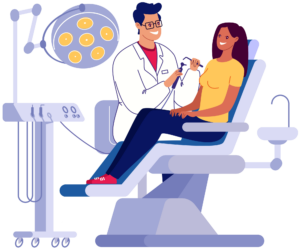
A Long-Term Solution
for Missing Teeth
A dental implant replaces a missing tooth with a permanent titanium post anchored in your jawbone, topped with a natural-looking crown. Most patients complete treatment in 3–6 months with minimal discomfort.
At DiGrazia Dentistry in Reno, implants are used to restore chewing function and support long-term oral health. If you’ve lost a tooth and want a replacement that functions like your natural teeth, here’s what you should know.
What Are Dental Implants?
A dental implant is a small titanium post placed into the jawbone to replace the root of a missing tooth. Over time, the implant bonds with the surrounding bone through a process called osseointegration. This creates a secure base for the final restoration.
A complete implant restoration includes three parts:
- Implant fixture – the titanium post placed in the bone
- Abutment – a connector attached to the implant
- Dental crown – the visible replacement tooth
Unlike traditional bridges, implants don’t depend on neighboring teeth for support. They function independently and help preserve bone in the area of tooth loss.

Who Can Get Dental Implants?
Most adults who are missing teeth can get implants. Ideal candidates typically have:
- Healthy gums
- Enough jawbone to support the implant (if not, bone grafting may be recommended)
- Consistent daily brushing and flossing habits
Smoking and certain medical conditions don’t automatically disqualify you, but they can affect healing and long-term success.
During your consultation, Dr. DiGrazia will evaluate your oral health and medical history to determine whether implants are appropriate for your situation. In some cases, we may refer you to a specialist depending on bone volume or specific anatomical considerations.
The Dental Implant Process
Implant treatment is completed in stages. The overall timeline depends on healing and whether additional procedures are needed.
Consultation and 3D Evaluation
Your evaluation includes a comprehensive exam and diagnostic imaging. When indicated, 3D imaging (CBCT) is used to assess bone structure and identify important anatomical landmarks. This allows for careful and precise treatment planning.
If your case requires coordination with a specialist for implant placement, we will discuss that with you in advance.
Implant Placement
The implant is placed under local anesthesia. Most patients tolerate the procedure well and are often surprised by how manageable it feels. Mild soreness or swelling for a few days afterward is common and typically temporary.
Healing Period (3–6 months)
After placement, your implant needs time to bond with your jawbone—this is what makes it stable long-term. During this period:
- You may have a temporary tooth solution so you won’t have a visible gap
- Most patients return to normal daily activities within a few days
- The implant is integrating beneath the surface
Most patients describe the recovery as easier than they expected.
Once fully healed, we attach your permanent crown.
Abutment and Final Crown
After integration is complete, the abutment is attached and a custom porcelain crown is fabricated. Crowns are carefully matched to your natural teeth for both function and appearance. CEREC technology may be used to design and create precise restorations efficiently.
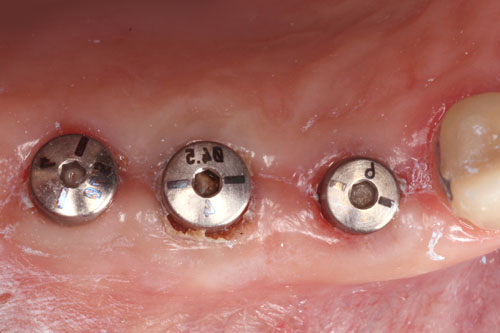
Implant fixture placed in the jawbone
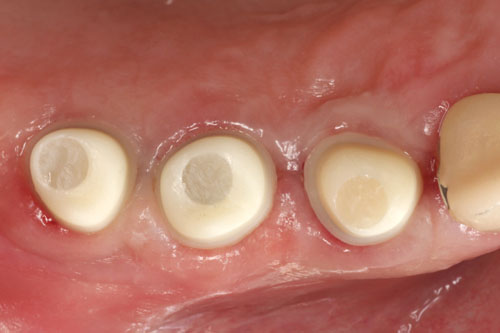
Healing caps during osseointegration
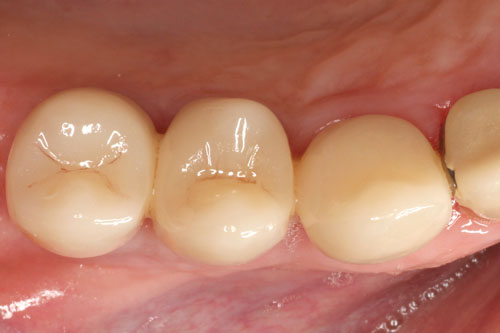
Custom abutment and crown placement
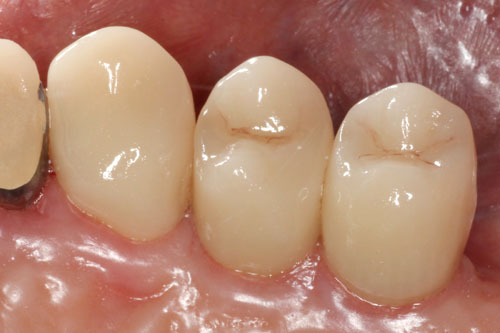
Final natural-looking restoration
Benefits of Dental Implants
Dental implants offer several advantages:
- Stability – securely anchored in the jaw
- Protection of adjacent teeth – no reduction of neighboring teeth
- Bone preservation – stimulation helps reduce future bone loss
- Durability – designed for long-term function
- Natural appearance – shaped and shaded to blend with surrounding teeth
For many patients, implants restore comfort when chewing and confidence when smiling.
Success and Risk Factors
Dental implants have a strong long-term success rate. Studies commonly report success rates above 95% in healthy patients who maintain good oral hygiene.
Potential complications are uncommon but may include:
- Infection at the implant site
- Delayed healing
- Incomplete bone integration (rare)
- Sinus or nerve considerations depending on tooth location
We use 3D imaging and careful treatment planning to identify and reduce these risks. Maintaining good oral hygiene and attending regular checkups are important for long-term implant health.
Alternatives to Dental Implants
Implants are not the only option for replacing missing teeth.
- Dental bridges may be appropriate when neighboring teeth already require crowns.
- Removable partial dentures offer a more affordable solution but are less stable.
- Implant-supported dentures may be recommended for patients missing multiple teeth.
Treatment recommendations are based on your oral health, functional needs, and long-term goals.
How Long Do Dental Implants Last?
With proper care, the implant post can last many years and often decades. The crown attached to the implant may require replacement over time due to normal wear.
Long-term success depends on:
- Daily brushing and flossing
- Routine professional cleanings
- Avoiding tobacco use
- Managing bite forces or grinding
Cost of Dental Implants in Reno
The cost of dental implants depends on several factors:
- Number of teeth being replaced
- Whether bone grafting is needed
- Type of restoration used
Insurance Coverage
Many PPO dental plans cover a portion of implant treatment, typically the crown and sometimes related procedures. Coverage varies by plan.
Our team reviews your specific benefits and provides a detailed cost estimate during your consultation.
We offer flexible payment options to help make treatment manageable.
Schedule A Consultation
If you are considering dental implants in Reno, a consultation is the first step. During your visit, we’ll review your options, answer your questions, and outline a personalized treatment plan.
Call 775-786-2077 to schedule your appointment with DiGrazia Dentistry.
Frequently Asked Questions
Get Started Today
Take the First Step Toward a Radiant & Confident Smile
Experience the exceptional dental care that goes beyond traditional practices. Schedule your appointment today at DiGrazia Dentistry, where restoration, preservation, and your radiant smile take center stage. Your journey to optimal oral health, comfort, and aesthetics begins here in Reno, NV.