
Repair cavities and restore the strength and shape of a damaged tooth
Dental fillings are one of the most common treatments used to repair teeth affected by cavities or minor damage. A filling restores the tooth’s structure after decay is removed, helping prevent the problem from worsening.
At DiGrazia Dentistry in Reno, tooth-colored composite fillings are used to restore damaged teeth while maintaining a natural appearance. These restorations bond directly to the tooth and are designed to blend with the surrounding enamel.
What Is a Dental Filling?
A dental filling is a restorative treatment used to repair a tooth after decay or minor structural damage has been removed. Once the affected area is cleaned, a filling material is placed and shaped to restore the tooth’s original form and function.
The filling seals the area where decay was removed and helps protect the tooth from further damage.
When Is a Dental Filling Needed?
Dental fillings are typically recommended when a tooth has a cavity or small area of structural damage.
A filling may be needed if a tooth:
- Has a cavity caused by tooth decay
- Is chipped or slightly fractured
- Shows signs of enamel wear
- Has an older filling that needs replacement
Early treatment with a filling helps prevent the decay from spreading deeper into the tooth, which could require more extensive procedures.
Benefits of Tooth-Colored Fillings
Modern composite fillings offer both functional and cosmetic advantages.
- Blend naturally with surrounding teeth
- Bond directly to the tooth for added support
- Require less removal of healthy tooth structure
- Restore normal chewing and biting function
Because composite material bonds to the tooth, it helps reinforce the remaining structure while maintaining a natural appearance.
Types of Dental Filling Materials
Several materials have historically been used for dental fillings. The most appropriate option depends on the size and location of the restoration.
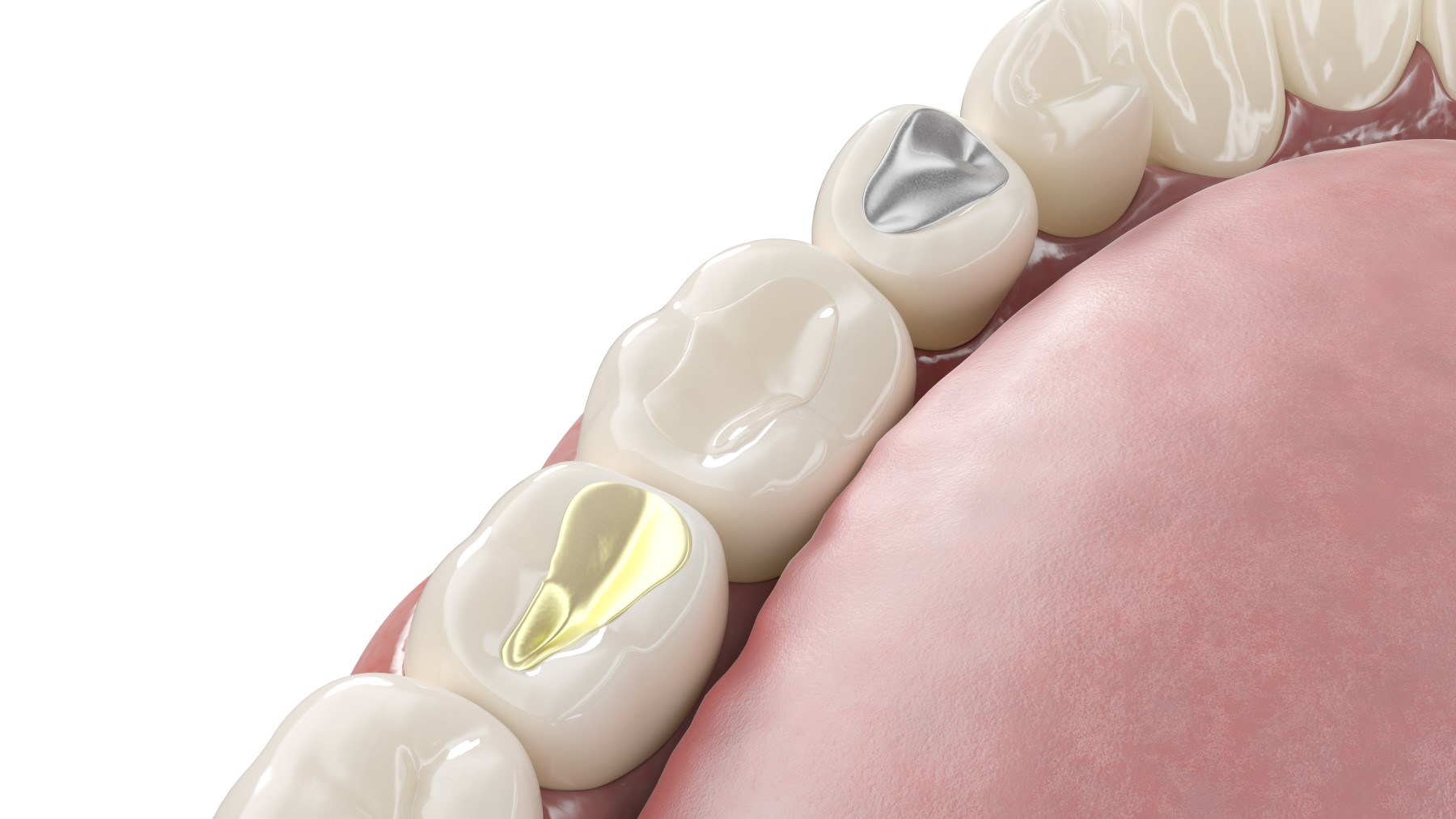
- Composite (tooth-colored) fillings – match the natural color of teeth and bond directly to the tooth structure
- Amalgam (silver) fillings – durable and wear resistant, though more visible
- Gold fillings – long-lasting restorations fabricated in a laboratory
- Porcelain inlays or onlays – custom restorations designed for larger areas of damage
During your visit, the most appropriate restoration will be recommended based on the size of the cavity, the location of the tooth, and your overall treatment goals.
How Long Do Dental Fillings Last?
Composite fillings typically last many years with proper care. Their lifespan depends on factors such as oral hygiene, bite forces, and the size of the restoration.
Regular dental exams help monitor existing fillings and ensure they remain in good condition.
Caring for Dental Fillings
Dental fillings are maintained with the same oral hygiene habits used to protect natural teeth.
- Brush twice daily
- Floss daily
- Maintain regular dental checkups and cleanings
- Avoid excessive biting forces on restored teeth
These habits help reduce the risk of future decay around the filling.
Are Dental Fillings Covered by Insurance?
Most dental insurance plans provide coverage for fillings because they are considered a basic restorative treatment. Coverage levels vary depending on the specific policy.
Our team reviews your benefits and provides a clear treatment estimate before care begins.
Frequently Asked Questions
Get Started Today
Take the First Step Toward a Radiant & Confident Smile
Experience the exceptional dental care that goes beyond traditional practices. Schedule your appointment today at DiGrazia Dentistry, where restoration, preservation, and your radiant smile take center stage. Your journey to optimal oral health, comfort, and aesthetics begins here in Reno, NV.