
What Is Geographic Tongue?
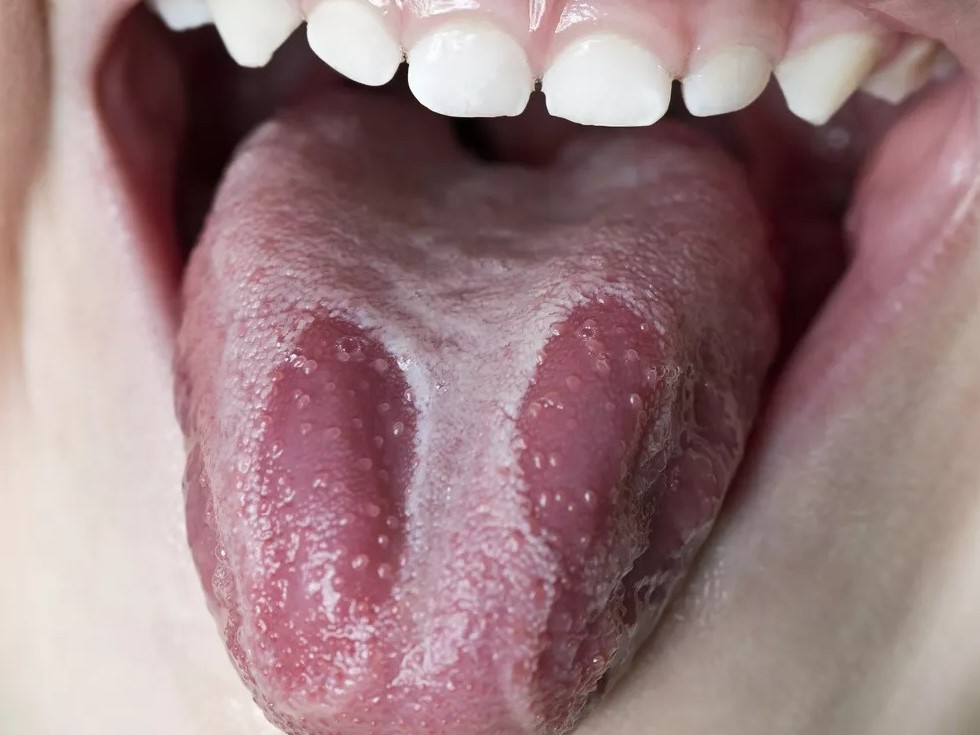
Geographic tongue is a common and harmless condition that causes smooth, red patches to appear on the surface of the tongue. These patches often have white or light-colored borders and may change shape or location over time. Geographic tongue is benign and is not related to oral cancer.
It is estimated to affect approximately 5–10% of the population and can occur at any age. The condition may come and go, sometimes changing daily. It is reported slightly more often in women than in men.
What Does Geographic Tongue Look Like?
Common signs and symptoms of geographic tongue include:
- Red or pink smooth patches on the tongue
- White or light borders around affected areas
- A map-like appearance
- Patches that change location over time
- Mild soreness or burning, especially with spicy or acidic foods
Many people experience no discomfort at all.
What Causes Geographic Tongue?
The exact cause of geographic tongue is unknown. It is believed to involve temporary inflammation and loss of papillae on the surface of the tongue. The condition is benign and does not indicate infection or cancer.
Geographic tongue may run in families, suggesting a possible genetic component. Some individuals notice flare-ups associated with:
- Spicy or acidic foods
- Emotional stress
- Hormonal changes
- Certain vitamin deficiencies (such as B vitamins)
- Psoriasis in some cases
Although these associations have been observed, no single definitive cause has been established.
Is Geographic Tongue Dangerous?
Geographic tongue is not dangerous and is not a form of oral cancer. It does not increase your risk of developing oral cancer.
However, if you notice persistent tongue changes, unexplained pain, or lesions that do not move or heal, it is important to schedule a dental evaluation to rule out other conditions.
How Is Geographic Tongue Treated?
Most cases of geographic tongue do not require treatment.
If discomfort occurs, management may include:
- Avoiding spicy or acidic foods
- Warm saltwater rinses
- Maintaining good oral hygiene
In cases where symptoms are more bothersome, a dentist may recommend topical medications to reduce irritation.
When Should You See a Dentist?
You should schedule an evaluation if:
- Tongue changes persist in one location
- You experience ongoing pain
- You are unsure whether the condition is geographic tongue
- Symptoms interfere with eating or speaking
A clinical exam can confirm the diagnosis and provide reassurance.
Geographic Tongue FAQs
This article was originally published in May 2021 and updated in February 2026.